
 By
By 
A vital role is played by material handling equipment in processing industries where materials at extreme temperatures need to be transferred efficiently and safely. The selection of proper components ensures seamless operations while maintaining safety standards. A rotary airlock valve serves as a critical component in high-temperature applications, facilitating controlled material flow while maintaining pressure differentials. These valves handle materials ranging from fine powders to larger granules, making them versatile for various industrial needs.
Key factors to consider in high-temperature applications
- Operating temperature requirements – The equipment must withstand continuous exposure to elevated temperatures without compromising performance or structural integrity.
- Material characteristics – Different materials exhibit unique behaviours at high temperatures, affecting flow patterns and handling requirements.
- Seal compatibility – Proper sealing prevents material leakage and maintains system efficiency while dealing with thermal expansion.
Rotor design for optimal performance
- Optimal clearance – Precise rotor-to-housing clearance accommodates thermal expansion while preventing material bypass.
- Material selection – High-grade metals and alloys ensure durability and consistent performance under thermal stress.
- Blade configuration – Strategic blade designs facilitate smooth material flow while minimizing wear.
Essential features for high-temperature operations
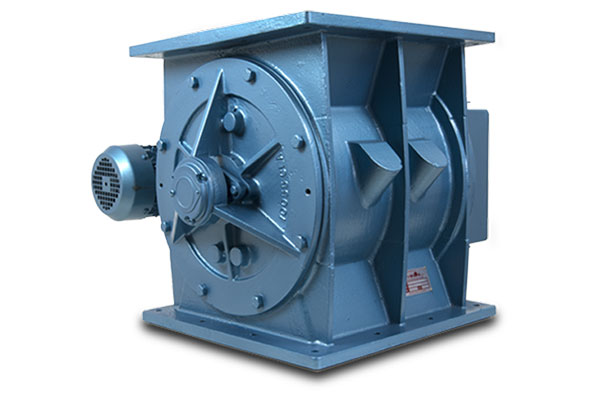
Temperature monitoring systems help operators track valve performance and prevent overheating issues that could affect material flow or cause equipment damage. The rotary airlock valve incorporates specialized seals designed specifically for elevated temperature conditions, ensuring reliable operation throughout extended production runs.
Maintenance considerations for longevity
Regular inspection schedules identify potential wear patterns before they impact performance. This proactive approach extends equipment life and maintains operational efficiency. Temperature-resistant lubricants protect moving components while withstanding thermal stress. Proper lubrication schedules prevent premature wear and ensure smooth operation.
Advanced monitoring capabilities
Integration with control systems provides real-time performance data and early warning indicators for potential issues. Automated safety protocols protect both equipment and operators by responding to temperature fluctuations or irregular operation patterns.
Role of material flow analysis
The material behaviour at different temperatures helps optimize valve selection and configuration. This knowledge ensures consistent performance across varying operating conditions. A properly sized rotary valve airlock guarantees efficient material transfer while maintaining system pressure differentials, even in challenging high-temperature environments.
Safety implementation measures
Heat shielding protects surrounding equipment and personnel from excessive thermal exposure during operation. Emergency shutdown procedures safeguard both equipment and operators in case of temperature-related anomalies.
Performance optimization techniques
Careful adjustment of rotor speed matches material flow requirements while preventing unnecessary wear. Regular cleaning schedules prevent material buildup that could affect thermal transfer or cause imbalances.
Long-term reliability factors
- Quality construction materials ensure consistent performance despite thermal cycling effects on components.
- Proper installation procedures account for thermal expansion and maintain alignment throughout operation.
- Emerging technologies continue improving high-temperature handling capabilities through advanced materials and design innovations.
- Enhanced monitoring systems provide deeper insights into equipment performance and maintenance needs.
Integration capabilities
Modern control systems allow seamless coordination between various process components, optimizing overall system efficiency. Data collection and analysis help refine operating parameters and predict maintenance requirements.
Impact on processing efficiency
Proper equipment selection directly affects production rates and product quality in high-temperature applications. Regular performance evaluations help maintain optimal operating conditions and identify improvement opportunities.
Selecting appropriate equipment for high-temperature applications requires careful consideration of multiple factors. These elements ensure successful implementation and reliable long-term operation. Regular maintenance and monitoring practices help maintain optimal performance while protecting investment value through extended equipment life.







Comments