
 By
By 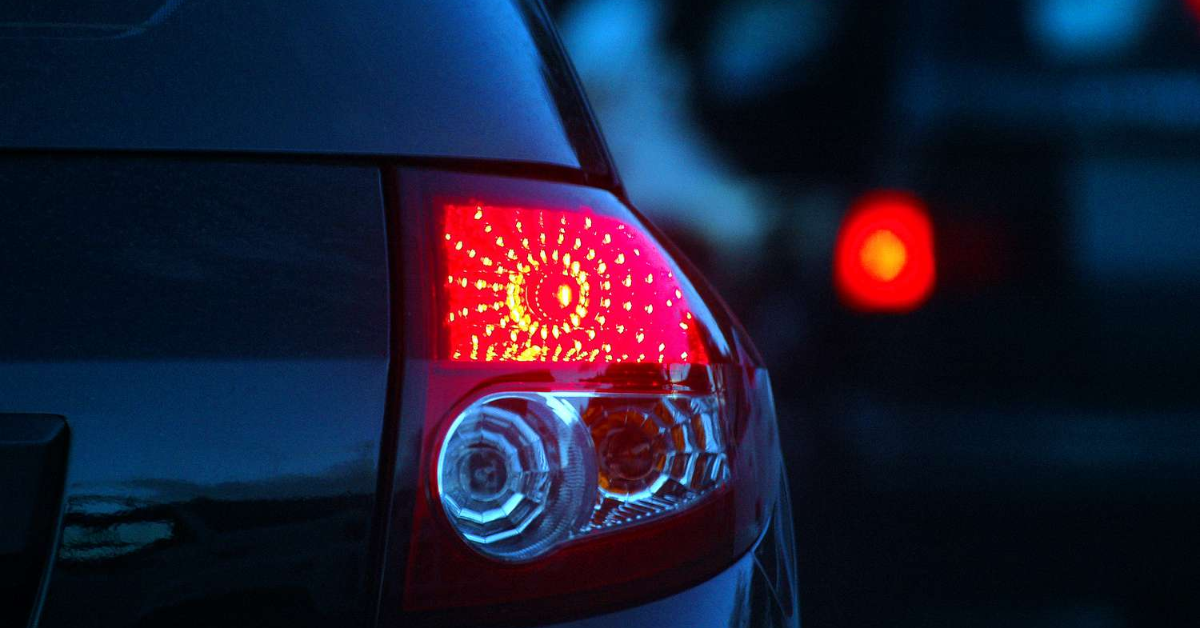
Car owners frequently deal with the problem of water leaks in the taillights, particularly in older models. A damaged seal is the main reason for water intrusion. With rubber or silicone seals surrounding the housing to keep moisture out, taillights are made to be waterproof. These seals may deteriorate over time as a result of aging, weather exposure, or wear and strain. Leaks may also result from cracks or breaches in the taillight housing itself, which provide water entrance locations.
Poor Seal Condition and Aging Gaskets
The rubber gaskets that form a waterproof seal on taillights may become loose, fractured, or brittle with age. Exposure to heat, cold, and UV radiation from the sun can cause the material to deteriorate over time, which is frequently the cause of this. These seals are no longer able to keep moisture and water out of the taillights inside when they are compromised. Although a tiny crack or gap in the seal might not seem like much, it can result in a large build-up of water inside the taillight housing, which can fog the lens and impair the taillight’s performance.
Cracks and Damage to the Taillight Housing
Water leaking is also frequently caused by physical damage to the taillight housing, such as chips or cracks. Accidents, crashes, or just typical driving wear and tear can all cause cracks. Water can enter via even tiny chips in the taillight lens, causing condensation or fogging inside the light assembly. For drivers needing Auto Repair in Houston, TX, these tiny holes may get worse with time, letting more water into the housing. Cracks or fractures that could be the cause of the water leak can be found by carefully examining the taillight housing.
Professional Solutions for Fixing Water Leakage
In order to fix a water leak in the taillights, it’s usually better to get professional help. To find any wear or damage, a mechanic or auto repair expert will start by carefully examining the gaskets, seals, and taillight housing. To re-establish the waterproof barrier, the specialist might swap out damaged seals for brand-new, premium gaskets. If the taillight housing itself is cracked, a specialist might have to replace the entire housing or fix the cracks using specific adhesives and sealants to stop more leaks.
Preventing Future Water Leaks
It’s critical to routinely check the lenses, housing, and seals for deterioration in order to stop water leaks in taillights. If you see condensation or fogging inside the taillight, it indicates that moisture has gotten inside and has to be fixed right away. It’s particularly crucial to look for leaks and make sure the taillights are correctly sealed if you live in a region that has a lot of rain or snow. By keeping your taillights in good working order and avoiding water damage, professional maintenance can make your car safe to drive.




Comments