
 By
By 
There is something profoundly intimate about visiting a car scrapyard in Singapore, where the dreams of mobility meet their inevitable end in landscapes of twisted steel and forgotten journeys. These spaces exist as monuments to our collective relationship with movement, desire, and the capitalism that promises freedom through ownership, whilst simultaneously engineering its obsolescence.
The Archaeology of Automotive Desire
Within these graveyards of metal and memory, each vehicle tells a story not merely of transportation, but of aspiration, labour, and the peculiar mathematics of Singaporean life. The island’s unique Certificate of Entitlement system creates a temporal boundary around automotive ownership, transforming cars into vessels with predetermined expiration dates, like flowers that bloom knowing their season’s end.
Here, amidst the careful choreography of dismantlement, we witness the most honest relationship between human beings and their machines. Strip away the advertising, the showroom gleam, the promises of status and freedom, and what remains is raw material awaiting transformation. This is where the mythology of the automobile finally surrenders to physics.
Bodies, Labour, and the Work of Undoing
The workers who labour in Singapore’s automotive scrapyards perform a kind of reverse manufacturing, their hands practised in the art of separation. They understand intimately which parts hold value, which materials can be reborn, and which substances require careful handling to prevent harm to the earth and its inhabitants.
Their work embodies a particular form of care:
- Draining fluids that could poison soil and water
- Extracting precious metals destined for new manufacturing cycles
- Separating plastics according to their chemical compositions
- Removing batteries that contain both treasure and toxins
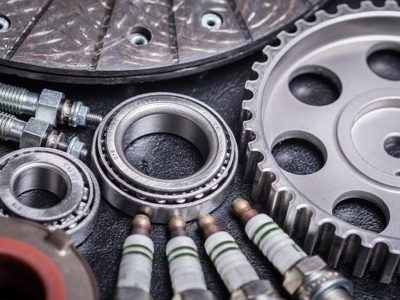
- Preserving components that retain functional value
As one experienced dismantler observes: “Every car teaches you something different about how things come apart. You learn to read the story of how it was made by understanding how it can be unmade.”
This labour represents a form of environmental midwifery, helping birth new materials from old forms whilst preventing ecological harm.
The Economics of Endings
Singapore’s approach to automotive disposal reveals the contradictions inherent in any system that must simultaneously encourage consumption and manage its consequences. The same governmental apparatus that restricts vehicle ownership through pricing mechanisms also creates sophisticated infrastructure for processing automotive waste.
The economic value of scrapped vehicles fluctuates with global commodity markets, creating an economy where yesterday’s transportation becomes tomorrow’s raw material input. This system demonstrates how capitalism’s hunger for perpetual growth requires equally sophisticated systems of destruction and renewal.
Factors influencing the monetary value of automotive scrap include:
- International demand for recycled steel and aluminium
- Regulatory compliance costs for proper disposal procedures
- Labour expenses for safe dismantlement processes
- Transportation costs for material movement
- Market demand for refurbished automotive components
Environmental Justice and Metallic Afterlives
The environmental implications of automotive disposal extend far beyond Singapore’s borders. The materials extracted from scrapped vehicles often travel vast distances to reach processing facilities, embedding these local scrapyards within global networks of resource circulation.
Properly managed vehicle scrapyards serve as crucial nodes in preventing environmental damage. Without appropriate processing, automotive waste leaches heavy metals, oil, and chemical compounds into ecosystems. The seemingly mundane work of car dismantlement thus becomes a form of environmental protection, though one that receives little recognition in dominant narratives about sustainability.
Choosing Conscience Over Convenience
For vehicle owners confronting the end of their car’s usable life, selecting an appropriate scrapyard becomes an ethical decision disguised as a practical one. The choice influences not only personal financial outcomes but also broader environmental and social impacts.
Quality automotive disposal facilities demonstrate their commitment through:
- Transparent documentation of their dismantlement processes
- Valid environmental compliance certifications
- Fair compensation structures based on current material values
- Professional handling that prioritises worker and environmental safety
- Comprehensive recycling programmes that maximise material recovery
The Aesthetics of Automotive Archaeology
There exists an unexpected beauty in these spaces where automobiles surrender their form. Stacked cars create accidental sculptures, their colours and shapes forming compositions that speak to both human creativity and industrial decay. These landscapes remind us that every object we create carries within it the seeds of its dissolution.
Singapore’s automotive scrapyards represent more than waste processing facilities; they function as laboratories for understanding the relationships between production, consumption, and disposal that define contemporary life.
Futures Written in Rust and Recovery
The evolution of vehicle scrapping technologies promises to transform these spaces further. Advanced material separation techniques, artificial intelligence-guided dismantlement, and innovations in component refurbishment point toward futures where waste becomes increasingly valuable as input material.
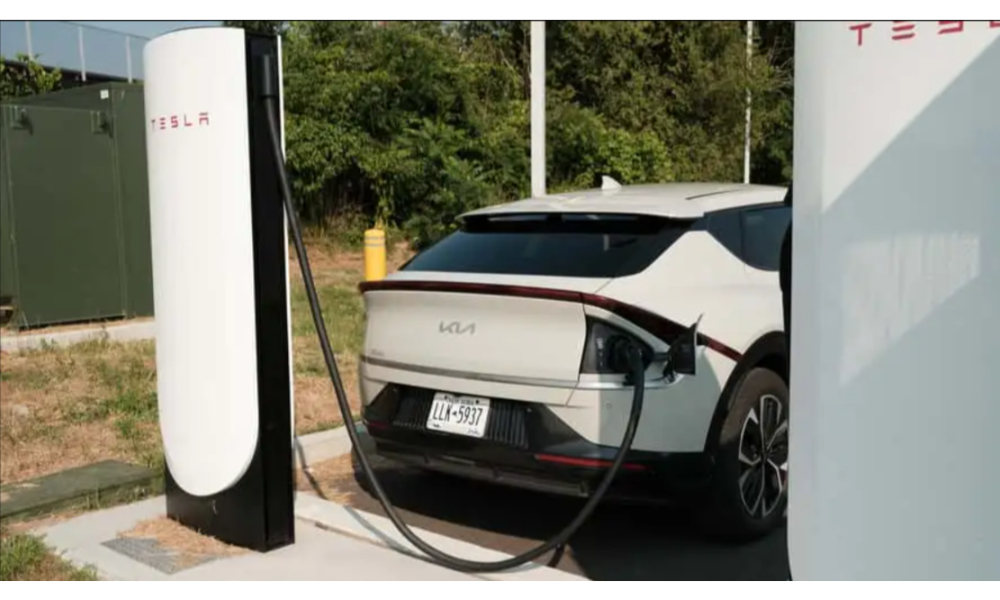
Electric vehicle adoption will require new forms of expertise, particularly around battery processing and rare earth metal recovery. These changes will reshape both the economics and the environmental profile of automotive disposal.
The Democracy of Decay
Ultimately, automotive scrapyards serve as democratic spaces where luxury vehicles and economy cars face identical fates. Here, the hierarchies of brand prestige and purchase price dissolve into the more fundamental categories of material composition and recyclability.
These spaces teach us that all manufactured objects exist temporarily, that ownership represents a brief custodianship rather than permanent possession, and that the most honest measure of any object’s value lies not in its purchase price but in its capacity for regeneration.
In choosing wisely where to retire our vehicles, we participate in writing more conscious chapters in the ongoing story of how human societies relate to the material world. Every thoughtful decision about a car scrapyard in Singapore contributes to creating more sustainable and just relationships between consumption, labour, and environmental stewardship.








Comments