
 By
By 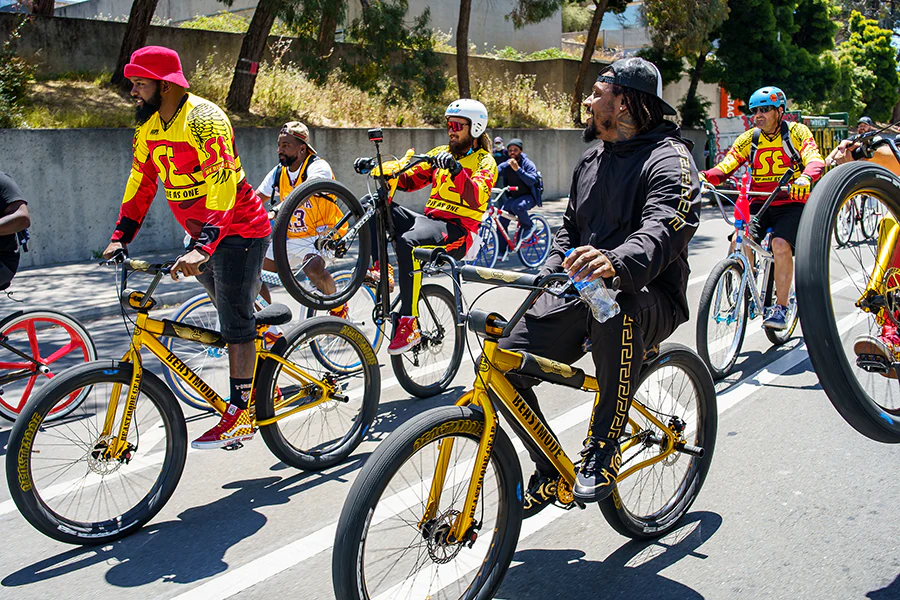
As cycling continues to grow in popularity, the debate between electric bikes (e-bikes) and traditional bikes has become more prominent. Both options have their unique advantages and are suited for different types of riders. This article will explore the key differences between electric bikes and traditional bikes, helping you decide which one is the best fit for your lifestyle and needs.

Understanding the Basics: Electric Bikes vs. Traditional Bikes
Before diving into the comparison, it’s important to understand what sets electric bikes apart from traditional bikes.
- Electric Bikes: E-bikes are equipped with an electric motor that assists with pedaling. The motor is powered by a rechargeable battery, and riders can choose between different levels of assistance, ranging from minimal to full throttle. This makes e-bikes a convenient option for those who want to travel longer distances with less effort.
- Traditional Bikes: Traditional bikes rely solely on human power, requiring the rider to pedal to move forward. These bikes come in various styles, including road bikes, mountain bikes, and hybrid bikes, each designed for specific types of terrain and riding conditions.
Advantages of Electric Bikes
Electric bikes have gained popularity due to their versatility and ease of use. Here are some of the key benefits of choosing an e-bike:
- Ease of Commuting: E-bikes make commuting more accessible, especially for those who have long distances to travel or live in hilly areas. The motor assistance helps reduce the effort required, making it easier to arrive at your destination without breaking a sweat.
- Accessibility: E-bikes are ideal for riders of all fitness levels, including those with physical limitations or those who are new to cycling. The assistance provided by the motor allows riders to enjoy cycling without overexertion, making it a more inclusive activity.
- Longer Rides: With an electric bike, you can cover greater distances with less fatigue. This makes e-bikes an excellent choice for touring and exploring new areas, as you can travel further without worrying about getting too tired.
- Eco-Friendly Transportation: E-bikes offer a green alternative to driving, especially for short trips around town. They produce no emissions and can help reduce your carbon footprint, contributing to a cleaner environment.
Advantages of Traditional Bikes
While e-bikes offer many benefits, traditional bikes have their own set of advantages that make them a preferred choice for many riders:
- Exercise and Fitness: Traditional bikes are perfect for those who want to engage in physical activity and improve their fitness levels. Since they rely entirely on human power, they provide a full-body workout, strengthening muscles and improving cardiovascular health.
- Cost-Effective: Traditional bikes are generally more affordable than e-bikes, both in terms of upfront costs and maintenance. There are no batteries or motors to worry about, which keeps the cost of ownership low.
- Simplicity: Traditional bikes are simpler in design, making them easier to maintain and repair. Without the need for electronic components, they offer a straightforward cycling experience that many riders appreciate.
- Versatility: Traditional bikes come in various styles, each designed for specific riding conditions. Whether you’re interested in road cycling, mountain biking, or leisurely rides around the neighborhood, there’s a traditional bike that fits your needs.
Choosing the Right Bike for You
When deciding between an electric bike and a traditional bike, consider the following factors:
- Your Riding Goals: If your primary goal is to improve fitness or enjoy the simplicity of cycling, a traditional bike may be the better option. However, if you’re looking for a convenient and accessible mode of transportation, especially for longer distances, an e-bike could be the perfect choice.
- Budget: Traditional bikes are generally more budget-friendly, making them a good choice for those who want to keep costs down. E-bikes, while more expensive, offer added convenience and features that may justify the higher price.
- Terrain: Consider the terrain you’ll be riding on. If you live in a hilly area or plan to tackle challenging routes, an e-bike’s motor assistance can make the experience more enjoyable. For flat terrain or short commutes, a traditional bike may be sufficient.
- Environmental Impact: Both e-bikes and traditional bikes are eco-friendly options, but e-bikes may have a slight edge due to their ability to replace car trips for longer distances. However, traditional bikes have no electronic components, making them a more straightforward and sustainable choice.
Conclusion: Making the Right Choice
Ultimately, the decision between an electric bike and a traditional bike depends on your personal preferences, fitness goals, and lifestyle. Both options offer unique benefits that can enhance your cycling experience. Whether you choose the convenience of an e-bike or the simplicity of a traditional bike, the most important thing is to enjoy the ride.







Comments