
 By
By 
SUVs have long been known for their size, power, and versatility, but they haven’t always been synonymous with fuel efficiency. However, with advancements in automotive technology and growing environmental awareness, the market for eco-friendly SUVs has expanded significantly. Choosing an SUV that balances performance with fuel efficiency is not only good for the environment but also saves money at the pump. In this article, we’ll explore how to choose the most eco-friendly SUV option in 2024, focusing on key factors like hybrid and electric models, engine efficiency, and driving habits.
- Understanding Fuel Efficiency in SUVs
Fuel efficiency refers to how far a vehicle can travel on a specific amount of fuel, usually measured in miles per gallon (MPG). For SUVs, which are typically larger and heavier than sedans or hatchbacks, achieving high fuel efficiency can be challenging. However, modern SUVs offer various options to improve MPG, including hybrid and electric powertrains, turbocharged engines, and advanced aerodynamics.
Hybrid SUVs
Hybrid SUVs combine a traditional internal combustion engine with an electric motor. This setup allows the vehicle to switch between power sources or use both simultaneously, reducing fuel consumption. In urban driving, where frequent stops and starts are common, hybrid SUVs can operate on electric power alone, significantly improving fuel efficiency.
Electric SUVs
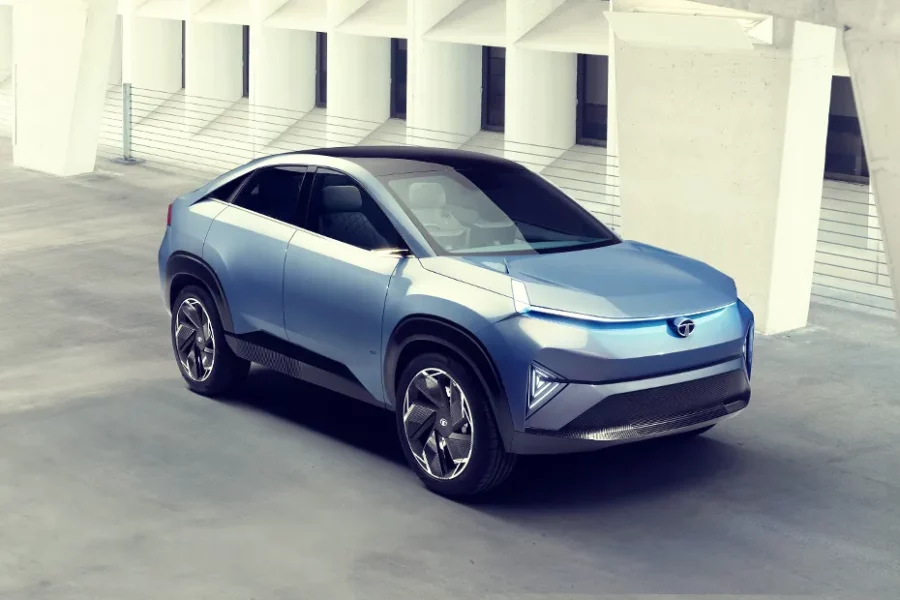
Electric SUVs run entirely on battery power, producing zero tailpipe emissions. These vehicles are becoming increasingly popular as charging infrastructure improves and battery technology advances. While electric SUVs tend to have higher upfront costs, the long-term savings on fuel and maintenance, along with government incentives, make them an attractive option for eco-conscious consumers.
- Key Factors to Consider When Choosing an Eco-Friendly SUV
When selecting the most fuel-efficient SUV, several factors come into play. Understanding these factors can help you make an informed decision that aligns with your environmental goals and driving needs.
Engine Size and Type
Smaller engines typically consume less fuel, but modern advancements like turbocharging can boost power without significantly impacting efficiency. A 4-cylinder turbocharged engine, for instance, can provide the performance of a V6 while maintaining better fuel economy. Additionally, opting for a hybrid or plug-in hybrid model can further enhance fuel savings.
Vehicle Weight
Weight plays a crucial role in fuel efficiency. Lighter SUVs tend to be more fuel-efficient because they require less energy to move. Manufacturers are increasingly using lightweight materials like aluminum and high-strength steel to reduce vehicle weight without compromising safety or performance.
Aerodynamics
The shape and design of an SUV can impact its fuel efficiency. Models with sleek, aerodynamic designs experience less air resistance, which improves MPG, especially at highway speeds. Features like active grille shutters and roofline spoilers can also enhance aerodynamics.
- Top Eco-Friendly SUVs to Consider in 2024
The SUV market in 2024 offers several models that prioritize fuel efficiency without sacrificing performance or comfort. Here are some top options:
2024 Toyota RAV4 Hybrid
The Toyota RAV4 Hybrid continues to be a leader in fuel efficiency, offering an impressive 40 MPG combined. Its hybrid powertrain seamlessly switches between electric and gasoline power, providing a smooth and efficient driving experience. With its spacious interior and advanced safety features, the RAV4 Hybrid is an excellent choice for eco-conscious families.
2024 Ford Mustang Mach-E
For those looking for an all-electric option, the Ford Mustang Mach-E delivers on both performance and efficiency. With a range of up to 300 miles on a single charge, this electric SUV combines the iconic Mustang styling with cutting-edge technology. The Mach-E’s fast-charging capabilities and extensive network of charging stations make it a practical option for long-distance travel.
2024 Hyundai Tucson Plug-In Hybrid
The Hyundai Tucson Plug-In Hybrid offers the versatility of an SUV with the efficiency of a plug-in hybrid. It can travel up to 33 miles on electric power alone, making it ideal for short commutes or city driving. When the electric range is depleted, the gasoline engine takes over, ensuring you never run out of power.
- Driving Habits and Maintenance
Your driving habits and how well you maintain your vehicle also play a significant role in fuel efficiency. Here are some tips to maximize the eco-friendliness of your SUV:
Driving Habits
- Smooth Acceleration and Braking: Avoiding sudden acceleration and braking can improve fuel efficiency by reducing the load on the engine.
- Maintain Steady Speeds: Cruise control can help maintain a steady speed on highways, reducing fuel consumption.
- Reduce Idling: Turn off your engine when parked for extended periods to save fuel.
Regular Maintenance
- Tire Pressure: Keep your tires properly inflated to reduce rolling resistance and improve MPG.
- Oil Changes: Regular oil changes keep the engine running smoothly and efficiently.
- Air Filters: Replace air filters as needed to ensure optimal airflow and fuel combustion.
Conclusion
Choosing an eco-friendly SUV in 2024 is easier than ever, with a wide range of hybrid, plug-in hybrid, and electric options available. By considering factors like engine efficiency, vehicle weight, and aerodynamics, and by adopting fuel-efficient driving habits, you can significantly reduce your carbon footprint while enjoying the benefits of an SUV. Whether you opt for a hybrid or all-electric model, investing in a fuel-efficient SUV is a smart choice for both your wallet and the environment.








Comments