
 By
By 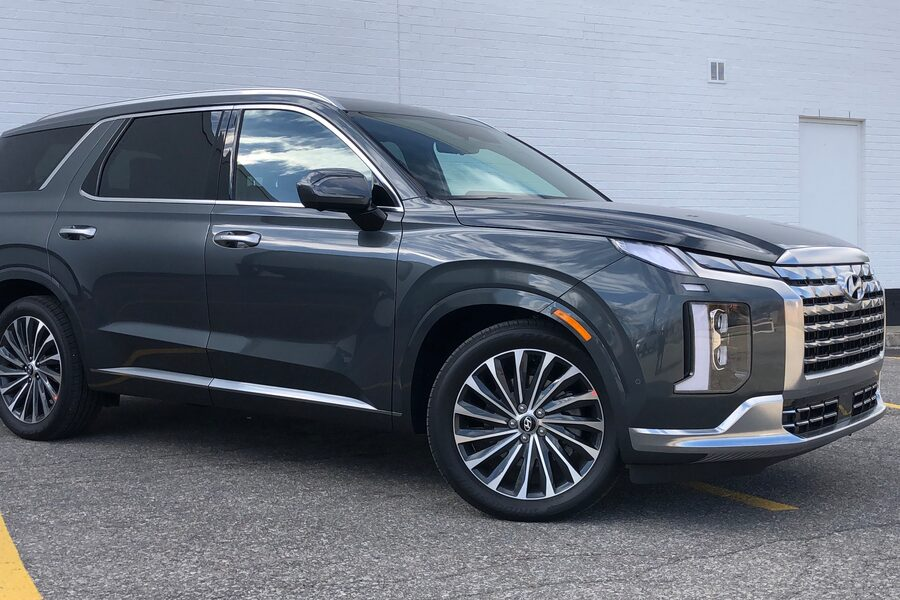
When it comes to choosing an SUV, the market offers a wide range of options, from luxurious high-end models to budget-friendly alternatives. Each category has its unique benefits, and selecting the right one depends on your lifestyle, needs, and preferences. In this article, we’ll explore the differences between luxury and budget SUVs, helping you find the perfect fit for your driving experience.
Understanding Luxury SUVs: Comfort and Prestige
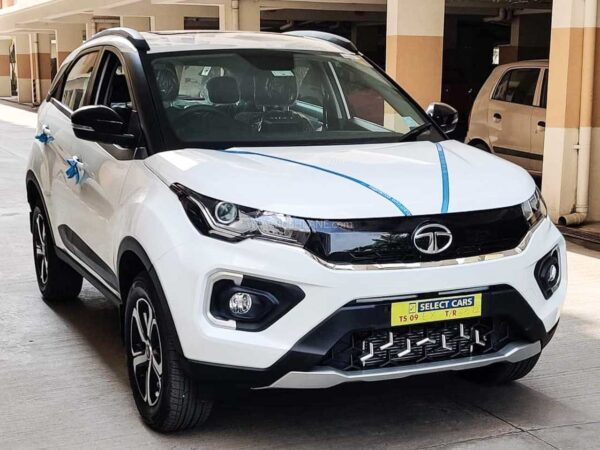
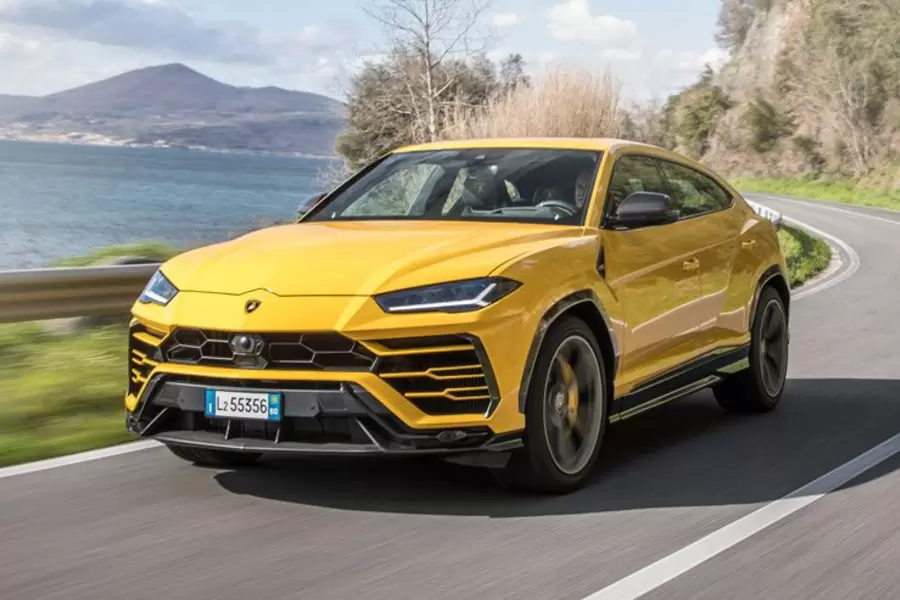
Luxury SUVs are designed to offer the highest levels of comfort, performance, and technology. These vehicles are often equipped with premium materials, advanced features, and cutting-edge technology that provide an unmatched driving experience.
- Premium Interiors: Luxury SUVs boast interiors that are crafted with high-quality materials such as leather, wood, and brushed metal. The attention to detail in the design ensures a sophisticated and comfortable environment.
- Advanced Technology: These vehicles come with the latest technology, including infotainment systems, driver-assistance features, and connectivity options. Features like adaptive cruise control, lane-keeping assist, and premium sound systems are common in luxury SUVs.
- Superior Performance: Luxury SUVs often feature powerful engines, offering a smooth and dynamic driving experience. All-wheel drive, adaptive suspension systems, and high-performance braking systems enhance both comfort and safety.
- Status Symbol: Owning a luxury SUV is often seen as a status symbol, reflecting success and prestige. Brands like Mercedes-Benz, BMW, and Range Rover are associated with luxury, and their vehicles are designed to make a statement on the road.
The Appeal of Budget SUVs: Practicality and Value
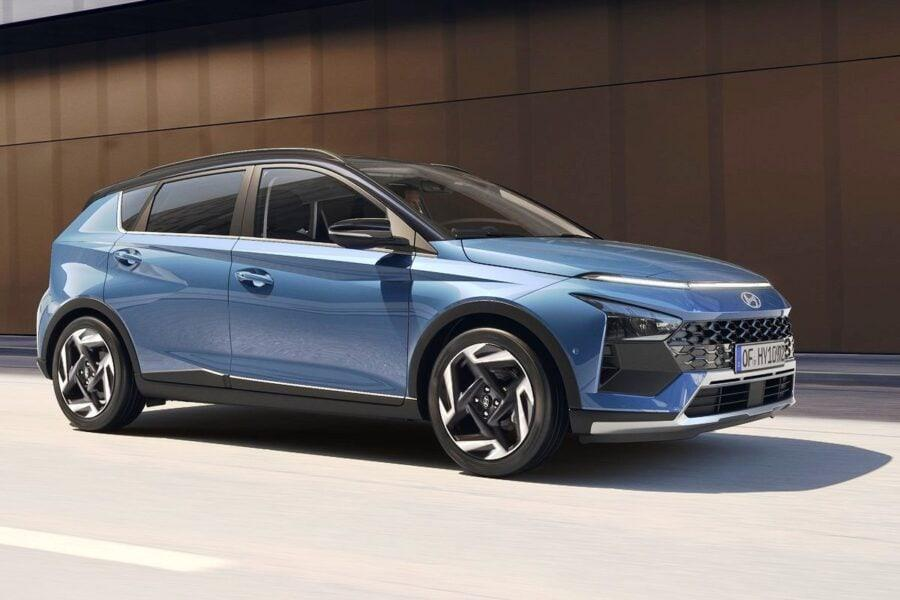
Budget SUVs, on the other hand, focus on providing practicality and value for money. While they may lack some of the high-end features of luxury models, they offer a reliable and efficient driving experience at a more affordable price.
- Affordability: The most significant advantage of budget SUVs is their price point. These vehicles are designed to be affordable, making them accessible to a broader range of consumers. Lower purchase prices and maintenance costs make them a practical choice for many.
- Fuel Efficiency: Budget SUVs tend to have smaller, more fuel-efficient engines, which can result in lower running costs. This makes them an excellent option for those who prioritize fuel economy over performance.
- Practical Features: While budget SUVs may not have all the bells and whistles, they still offer essential features such as ample cargo space, comfortable seating, and user-friendly infotainment systems. These vehicles are designed with everyday practicality in mind.
- Lower Insurance Costs: Insurance premiums for budget SUVs are generally lower than those for luxury models. This can further reduce the overall cost of ownership, making budget SUVs an even more attractive option for cost-conscious buyers.
Choosing the Right SUV for Your Lifestyle
When deciding between a luxury and a budget SUV, it’s essential to consider your specific needs and lifestyle. Here are some factors to keep in mind:
- Budget: Determine how much you’re willing to spend, not just on the initial purchase but also on maintenance, fuel, and insurance. If you’re looking for long-term value and lower costs, a budget SUV might be the better choice.
- Driving Experience: If you value a high level of comfort, advanced technology, and superior performance, a luxury SUV is likely to meet your expectations. However, if you’re more focused on practicality and efficiency, a budget SUV will serve you well.
- Usage: Consider how you plan to use the SUV. If you’re mainly using it for city driving or short trips, a budget SUV with better fuel efficiency might be ideal. For those who often embark on long drives or require more robust features, a luxury SUV could be worth the investment.
- Resale Value: Luxury SUVs tend to hold their value better over time, which can be a significant factor if you plan to sell or trade in the vehicle in the future. However, the lower initial cost of budget SUVs may offset their quicker depreciation.
Conclusion: Finding the Balance
Whether you choose a luxury or a budget SUV, the key is to find a vehicle that aligns with your lifestyle, needs, and financial situation. Luxury SUVs offer unparalleled comfort, technology, and status, while budget SUVs provide practicality, efficiency, and value. By carefully considering your priorities, you can make an informed decision that will bring you satisfaction and enjoyment on the road.









Comments