
 By
By 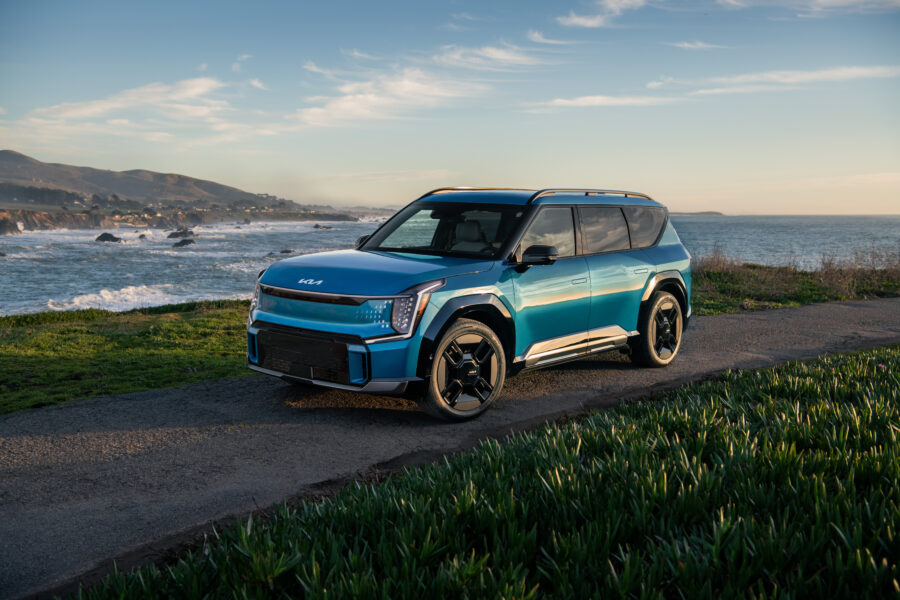
The automotive industry is undergoing a significant transformation, driven by rapid advancements in technology. From electric vehicles to autonomous driving, these innovations are set to redefine how we interact with our cars and the environment. This article explores the top five automotive innovations that are poised to change the industry, offering a glimpse into the future of transportation.

- Electric Vehicles (EVs): Driving Towards a Sustainable Future
Electric vehicles (EVs) are at the forefront of the automotive revolution, offering an eco-friendly alternative to traditional internal combustion engine (ICE) vehicles. With increasing concerns about climate change and the environment, EVs are gaining popularity among consumers and automakers alike.
- Zero Emissions: One of the most significant advantages of EVs is their ability to produce zero tailpipe emissions, reducing the carbon footprint and contributing to cleaner air.
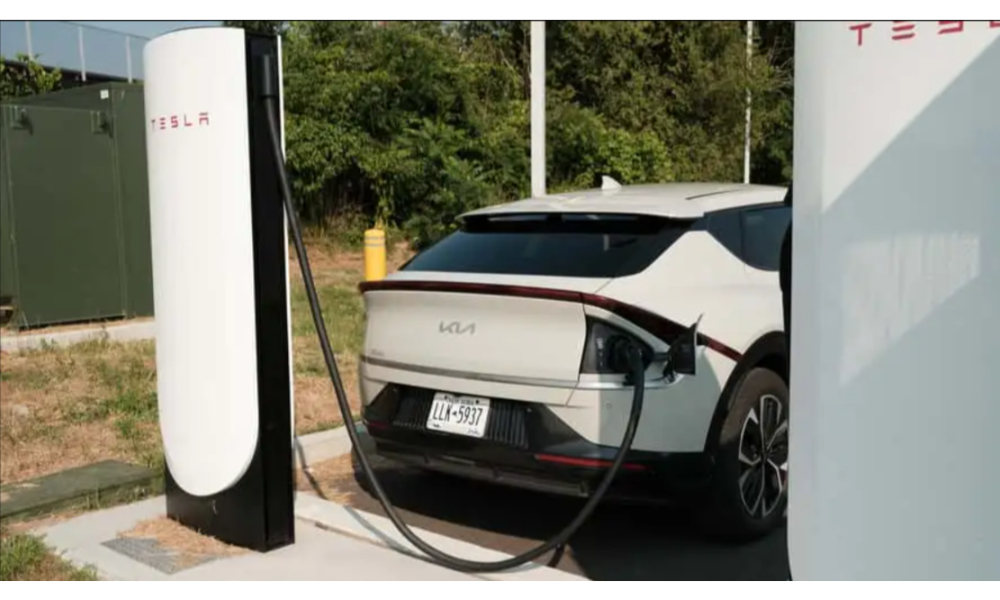
- Advancements in Battery Technology: Recent advancements in battery technology have led to longer driving ranges and shorter charging times, making EVs more practical for everyday use.
- Government Incentives: Many governments are offering incentives, such as tax rebates and subsidies, to encourage the adoption of electric vehicles, further accelerating their growth in the market.
- Autonomous Driving: The Future of Mobility
Autonomous driving technology, or self-driving cars, is another groundbreaking innovation that promises to revolutionize the automotive industry. While fully autonomous vehicles are still in development, significant progress has been made in recent years.
- Safety Improvements: Autonomous vehicles have the potential to reduce accidents caused by human error, which accounts for the majority of road accidents. Advanced sensors and AI systems can detect and react to obstacles more quickly than a human driver.
- Convenience and Accessibility: Autonomous driving technology can make transportation more accessible for individuals who are unable to drive, such as the elderly or disabled. It also offers the convenience of hands-free driving, allowing passengers to focus on other tasks during their journey.
- Impact on Urban Planning: The widespread adoption of autonomous vehicles could lead to changes in urban planning, with reduced need for parking spaces and improved traffic flow in cities. As cities adapt to fewer personal vehicles and more shared mobility, parking lot maintenance will shift focus from high-capacity usage to long-term infrastructure quality, safety markings, and adaptive reuses of space.
- Connected Cars: Seamless Integration with the Digital World
Connected cars are vehicles equipped with internet access and a range of sensors that enable communication with other devices, vehicles, and infrastructure. This connectivity is paving the way for smarter, safer, and more efficient transportation systems.
- Real-Time Data Sharing: Connected cars can share real-time data with other vehicles and traffic management systems, improving road safety and reducing congestion. For example, cars can receive updates on traffic conditions, road hazards, and weather, allowing drivers to make informed decisions.
- In-Car Infotainment: The integration of infotainment systems with smartphones and other devices allows for a seamless digital experience. Drivers can access navigation, music, and other apps directly from their car’s dashboard, enhancing convenience and entertainment on the road.
- Vehicle-to-Everything (V2X) Communication: V2X technology enables vehicles to communicate with each other, as well as with traffic lights, road signs, and other infrastructure. This can lead to more efficient traffic management and safer driving conditions.
- Advanced Driver Assistance Systems (ADAS): Enhancing Safety and Comfort
Advanced Driver Assistance Systems (ADAS) are technologies designed to improve vehicle safety and enhance the driving experience. These systems use sensors, cameras, and radar to assist drivers in making better decisions on the road.
- Lane-Keeping Assist: This feature helps drivers stay within their lane by providing steering assistance or alerts if the vehicle begins to drift out of its lane.
- Adaptive Cruise Control: Adaptive cruise control adjusts the vehicle’s speed to maintain a safe distance from the car ahead, reducing the need for constant acceleration and braking in traffic.
- Automatic Emergency Braking (AEB): AEB systems detect potential collisions and automatically apply the brakes if the driver does not respond in time, helping to prevent accidents or reduce their severity.
- Hydrogen Fuel Cells: The Next Generation of Clean Energy
While electric vehicles are leading the charge in sustainable transportation, hydrogen fuel cell vehicles (FCVs) offer an alternative that could play a significant role in the future of the automotive industry.
- Zero Emissions: Like electric vehicles, hydrogen fuel cell vehicles produce zero emissions at the tailpipe, emitting only water vapor. This makes them a clean alternative to traditional fossil fuels.
- Quick Refueling: One of the main advantages of hydrogen FCVs over EVs is their quick refueling time, similar to that of gasoline-powered vehicles, making them more convenient for long-distance travel.
- Infrastructure Development: Although hydrogen refueling infrastructure is currently limited, investments are being made to expand hydrogen stations, particularly in regions like California and Japan, where FCVs are gaining traction.
Conclusion: Embracing the Future of Automotive Innovation
The automotive industry is on the brink of a technological revolution, with innovations like electric vehicles, autonomous driving, connected cars, ADAS, and hydrogen fuel cells leading the way. These advancements promise to make driving safer, more efficient, and environmentally friendly. As these technologies continue to develop, they will undoubtedly reshape the automotive landscape, offering new opportunities and challenges for consumers and manufacturers alike.




Comments