
 By
By 
The automotive industry is undergoing a significant transformation as electric vehicles (EVs) continue to gain popularity. With advancements in technology, changing consumer preferences, and supportive government policies, the future of electric vehicles looks promising. In the coming years, we can expect several trends and innovations that will shape the landscape of EVs, making them more accessible, efficient, and integral to our daily lives. This article explores what to expect from the future of electric vehicles and how these changes will impact drivers, manufacturers, and the environment.

- Advancements in Battery Technology
Battery technology is at the heart of the electric vehicle revolution. As EVs become more mainstream, significant advancements in battery technology are expected to drive further adoption.
Key Developments in Battery Technology
- Increased Energy Density: Future batteries will offer higher energy density, allowing EVs to travel longer distances on a single charge. This improvement will address one of the main concerns of potential EV buyers—range anxiety.
- Faster Charging: Rapid charging technology is evolving, with future EVs expected to achieve an 80% charge in as little as 10-15 minutes. This will make electric vehicles more convenient for long-distance travel.
- Solid-State Batteries: Solid-state batteries, which promise greater energy storage, faster charging times, and improved safety, are likely to become more prevalent. These batteries could significantly extend the range of EVs and reduce the overall cost.
- Expansion of Charging Infrastructure
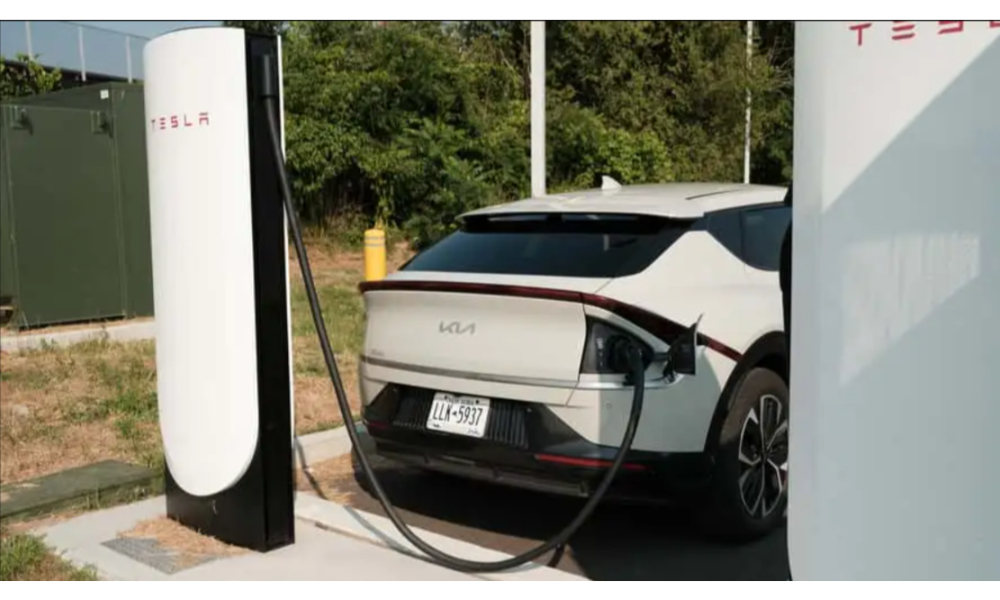
As more electric vehicles hit the road, the need for a robust charging infrastructure becomes critical. The future will see a significant expansion in charging networks, making it easier for EV owners to charge their vehicles wherever they go.
What to Expect in Charging Infrastructure
- Widespread Availability: Governments and private companies are investing heavily in charging infrastructure. Expect to see more public charging stations, including fast chargers, in urban areas, highways, and rural regions.
- Smart Charging Solutions: Future charging networks will be integrated with smart technology, allowing for dynamic pricing, load management, and renewable energy integration. This will ensure that charging is not only convenient but also environmentally friendly.
- Home Charging Advancements: Home charging systems will become more efficient and user-friendly, with features like bi-directional charging, which allows EVs to supply power back to the grid or a home during peak demand.
- Autonomous Electric Vehicles
The convergence of electric and autonomous vehicle technologies is set to revolutionize transportation. Autonomous electric vehicles (AEVs) will offer a glimpse into the future of mobility, providing safer, more efficient, and sustainable transportation options.
The Rise of Autonomous EVs
- Level 4 and 5 Autonomy: While current autonomous vehicles are mostly at Level 2 or 3 autonomy, future AEVs will reach Level 4 (high automation) and Level 5 (full automation). This means vehicles will be able to operate without human intervention in most situations.
- Shared Mobility Solutions: Autonomous electric vehicles will likely be a key component of shared mobility services, reducing the need for individual car ownership and lowering traffic congestion in urban areas.
- Impact on Urban Planning: The rise of AEVs will influence urban planning, with cities designing infrastructure to accommodate autonomous fleets, dedicated lanes, and smart traffic management systems.
- Sustainability and Environmental Impact
The shift to electric vehicles is driven by the need for more sustainable and environmentally friendly transportation options. In the coming years, the environmental benefits of EVs will be further enhanced.
Sustainability Trends in EVs
- Renewable Energy Integration: As the grid becomes greener, the electricity used to charge EVs will increasingly come from renewable sources like wind, solar, and hydroelectric power, further reducing the carbon footprint of electric vehicles.
- Recycling and Second-Life Batteries: Future advancements will focus on the recycling of EV batteries and the repurposing of used batteries for energy storage applications. This will reduce waste and make electric vehicles even more sustainable.
- Lower Emissions: As internal combustion engines are phased out, the transition to electric vehicles will contribute to significant reductions in greenhouse gas emissions, improving air quality and combating climate change.
- Cost Reductions and Market Growth
The electric vehicle market is expected to grow rapidly in the coming years, driven by decreasing costs and increasing consumer demand.
Economic Factors Influencing EV Growth
- Declining Battery Costs: As battery production scales up and technology improves, the cost of EV batteries will continue to fall, making electric vehicles more affordable for a broader range of consumers.
- Government Incentives: Continued government incentives, such as tax credits, rebates, and subsidies, will encourage the adoption of EVs, particularly in regions aiming to reduce carbon emissions.
- Global Market Expansion: The global electric vehicle market will expand, with more manufacturers entering the space and offering a wider variety of models, from budget-friendly options to luxury electric vehicles.
Conclusion
The future of electric vehicles is bright, with numerous advancements and trends set to shape the automotive landscape in the coming years. From breakthroughs in battery technology and the expansion of charging infrastructure to the rise of autonomous electric vehicles and increased sustainability, the next decade will see electric vehicles become a dominant force in the automotive industry. As these changes unfold, drivers can look forward to more efficient, affordable, and environmentally friendly transportation options, paving the way for a greener future.




Comments