
 By
By 
Restoring a classic Jeep is a labor of love that requires time, patience, and attention to detail. While the process can be deeply rewarding, it’s also filled with potential pitfalls that can cost you time and money. To ensure your project goes smoothly, here are six common mistakes to avoid when restoring a classic Jeep.
1. Skipping the Rust Inspection
Rust is the silent killer of classic vehicles, and Jeeps are no exception. Failing to thoroughly inspect the vehicle for rust before starting your restoration can lead to major headaches down the road. Pay close attention to areas like the floorboards, undercarriage, and wheel wells. Addressing rust issues early in the process ensures a safer and more durable restoration.
2. Using Incorrect or Low-Quality Parts
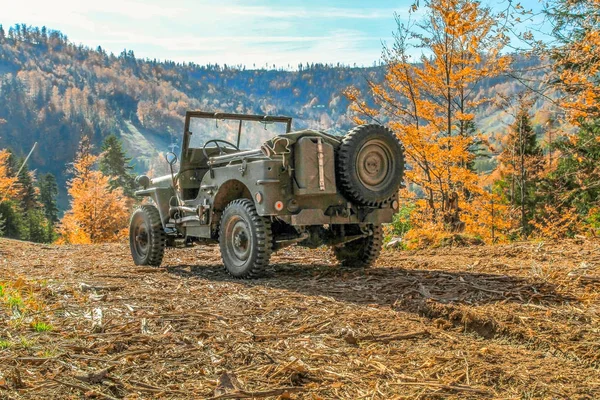
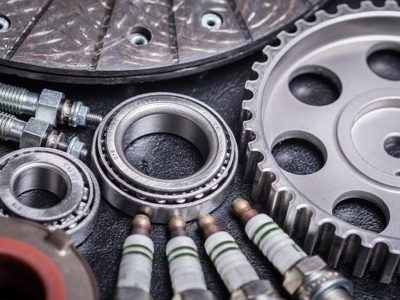
One of the biggest mistakes Jeep restorers make is using parts that aren’t compatible with the vehicle or opting for cheap, low-quality components. Classic Jeeps require specific parts to maintain their authenticity and performance. Research and source OEM (Original Equipment Manufacturer) parts whenever possible. While aftermarket parts may be tempting due to lower costs, they can compromise the integrity of the restoration.
3. Ignoring the Electrical System
Classic Jeeps often come with outdated or damaged electrical systems. Overlooking this critical component can result in unreliable performance or even safety hazards. Take the time to inspect and update the wiring, fuse box, and other electrical components. If you’re not comfortable working on electrical systems, consult a professional or visit a trusted classic jeep car repair shop to ensure everything is up to standard.
4. Overlooking Suspension and Steering Components
Classic Jeeps are built for rugged terrain, but worn suspension and steering components can significantly impact their performance. Neglecting these systems can lead to poor handling and unsafe driving conditions. Inspect and replace worn-out shocks, bushings, and steering linkages. Upgrading to modern suspension components can improve ride quality while retaining the vehicle’s classic feel.
5. Rushing the Paint and Finish Process
The paint job is one of the most visible aspects of any restoration, and rushing through this step can diminish the final result. Skipping proper surface preparation, like sanding and priming, often leads to uneven paint and rust reappearing over time. Choose high-quality automotive paint and consider hiring a professional to achieve a showroom-quality finish.
6. Neglecting Proper Documentation
When restoring a classic Jeep, keeping track of your progress and documenting each step is essential. Failing to do so can make it difficult to identify issues, track costs, or even verify the restoration’s authenticity if you decide to sell the vehicle. Create a detailed log of parts, repairs, and upgrades, and save receipts for future reference.
Invest in Your Own Classic Jeep
Restoring a classic Jeep is a challenging yet fulfilling project. By avoiding these six common mistakes, you can save time, money, and frustration while ensuring your Jeep’s restoration meets your expectations. Whether you’re reviving a cherished family vehicle or investing in a new project, attention to detail and proper planning are key to a successful restoration journey.




Comments