
 By
By 
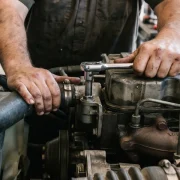
European automobiles, known for their high performance, precision engineering, and cutting-edge technology, require belts and hoses even more. Your car’s belts drive the alternator, water pump, air conditioning compressor, and other engine parts, ensuring seamless operation. However, hoses contain power steering, brake, and coolant fluids, making them critical to automotive operation. Due to heat, pressure, and wear, these parts degrade quickly, therefore they must be replaced before they cause costly damage.
Signs of Wear and Tear
European automakers Mercedes-Benz, BMW, Audi, and Volkswagen make durable, high-quality parts. It’s important to know when belts and hoses need to be replaced because even the best materials have a lifespan. One of the most visible indicators is belt fraying or breaking. As rubber dries out, it may break more easily. Squealing sounds can indicate a belt is sliding or improperly tensioned, especially while starting or accelerating. Leaks, bulging, or a spongy sensation indicate failing hose material that could break at any time. Ignoring these warning signs may lead to costly and unpleasant issues like engine overheating, power steering loss, or engine failure.
Following Manufacturer Maintenance Schedules
Preventing unexpected car problems requires following your manufacturer’s maintenance program. Every aspect of European cars is designed to perform within limits. Serpentine belts, which drive engine components, should be checked every 60,000 to 100,000 miles, depending on the car. Timing belts, which control engine valve timing, should be replaced every 60,000–100,000 miles. If not replaced quickly, a broken timing belt can cause catastrophic engine damage by clashing valves and pistons. Even though hoses last longer, they should be inspected regularly.
Conditional Wear from Driving
When fixing your European car’s belts and hoses, consider driving conditions. European cars are engineered to perform in many climates, although harsh weather can hasten part deterioration. Constant exposure to high temperatures can worsen belt and hose damage while driving. City stop-and-go traffic can also damage belts and hoses. Uneven terrain and rocky roads may prematurely wear these parts.
Value of Qualified Inspections
Some belt and hose wear signs are obvious, but others require a mechanic’s expertise. European cars have more complex systems than non-European cars, thus they must be inspected by a specialist who understands their needs. A European Auto Repair in Rocklin, CA service can notice any problems before they worsen, allowing timely belt and hose replacement and keeping your automobile in excellent form. Mechanics can also check pulleys and belt tension to reduce unexpected failures.
Conclusion
European car dependability and efficiency depend on belts and hoses. They must be carefully maintained due to their importance and the implications of neglect. Keep your car in great shape and enjoy European automobiles’ famed performance and dependability by knowing wear indications, following manufacturer maintenance plans, and obtaining frequent professional inspections. Early part replacement increases your car’s life and improves driving for years.



Comments